Decoding Fee Structures: How Transaction Costs Shape Payment Gateway Choices for Fraud-Resistant Recurring Services
Written by Carlo Brooks · Nov 9, 2026
Decoding Fee Structures: How Transaction Costs Shape Payment Gateway Choices for Fraud-Resistant Recurring Services
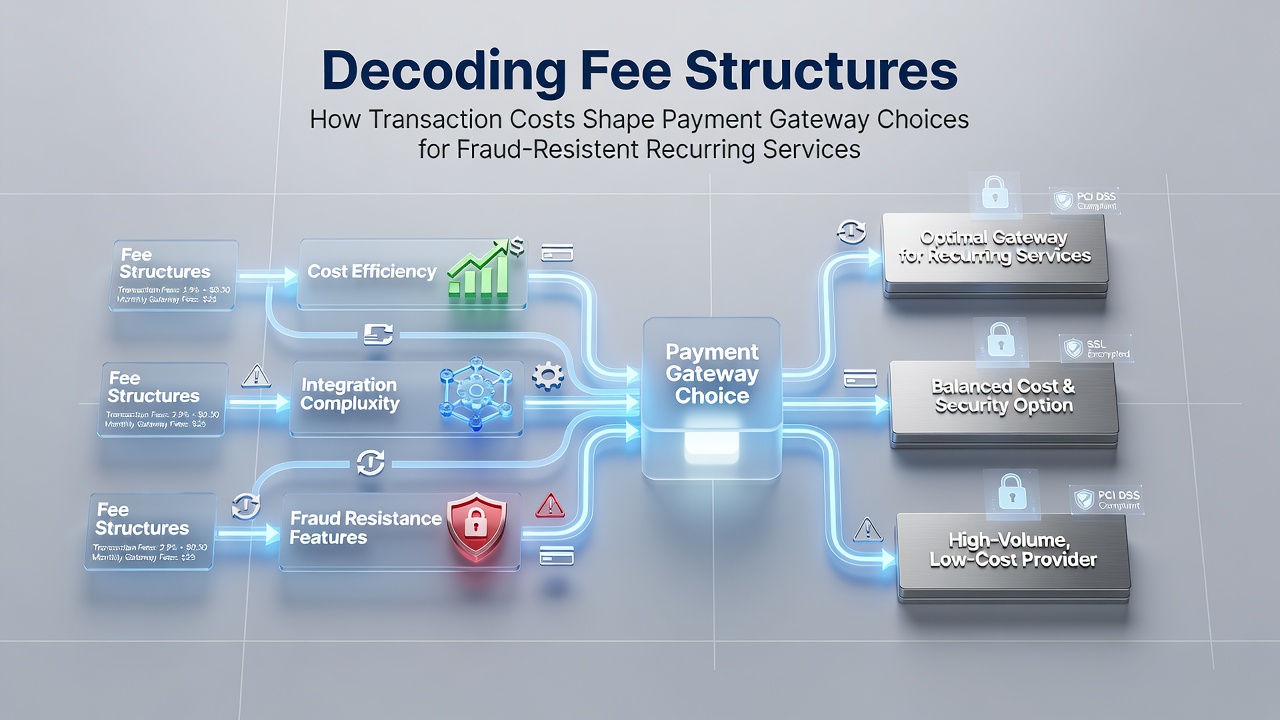
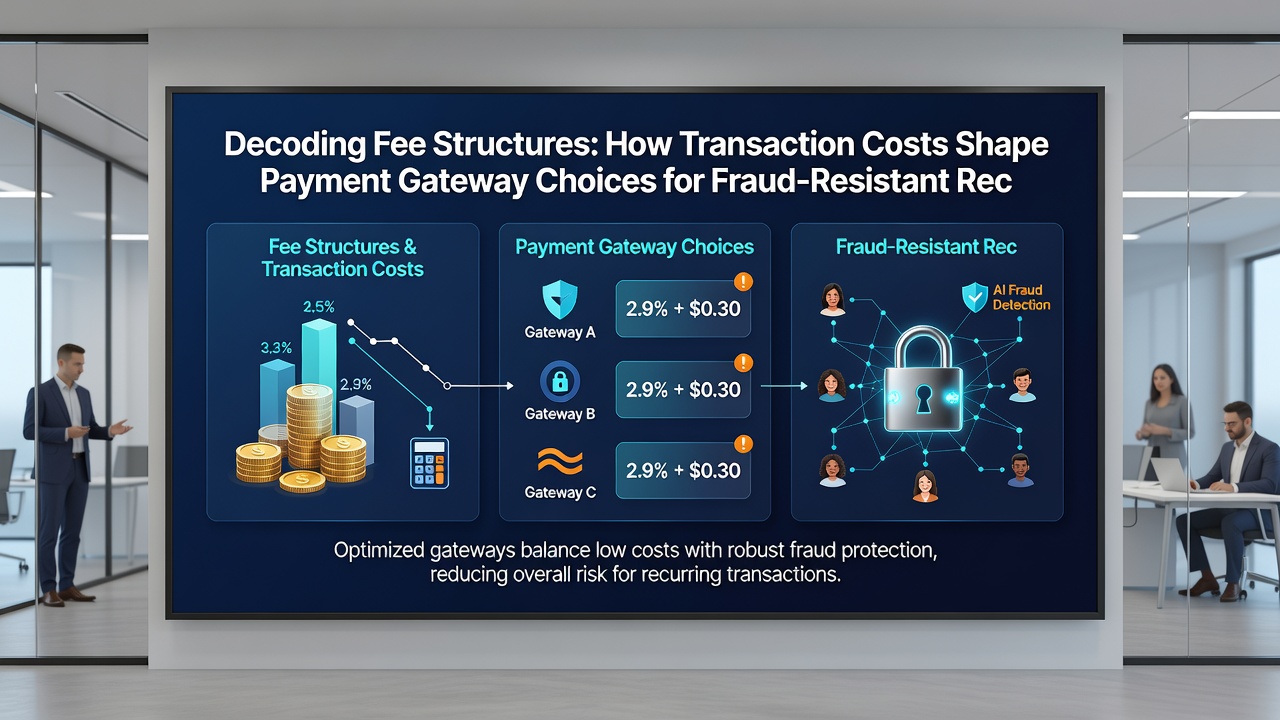
Payment gateway selection for recurring services often hinges on detailed fee structures that encompass interchange rates, assessment fees, and processor markups, all of which compound differently when transactions repeat monthly or annually. Observers note that these layered costs become particularly significant in environments where fraud prevention tools such as tokenization and real-time authentication add incremental expenses to each billing cycle. Data from payment industry analyses shows that businesses managing subscription models face average per-transaction fees ranging from 2.5 to 3.5 percent plus fixed amounts, yet those figures shift when gateways incorporate advanced fraud scoring systems that require additional API calls or data sharing.
Components of Modern Transaction Pricing
Interchange fees, set by card networks and typically passed through by issuers, form the largest portion of costs for recurring payments, while assessment fees levied by networks like Visa and Mastercard cover brand and infrastructure expenses. Processor markups then vary by gateway, with some providers offering flat rates and others using tiered or interchange-plus models that reward higher volumes. Researchers at institutions such as the Bank of Canada have documented how these elements interact in subscription scenarios, where failed payment retries can double effective costs if gateways charge per attempt rather than per successful settlement.
Fraud-resistant features further modify the equation because services like address verification, card verification value checks, and machine learning-based risk engines often carry separate line items or percentage uplifts. Those who have studied merchant statements find that gateways bundling these tools into base pricing sometimes prove more economical than à-la-carte implementations, especially when chargeback ratios exceed 0.5 percent and trigger elevated rates across the board.
Recurring Billing Dynamics and Cost Accumulation
Recurring services introduce predictability challenges because authorization rates and decline handling affect long-term economics in ways single-sale transactions do not. Gateways that support automated retry logic with smart scheduling can reduce cumulative fees by minimizing unnecessary authorization attempts, whereas rigid platforms incur repeated assessment charges on every retry. Figures from European Central Bank payment statistics reveal that subscription merchants experience authorization failure rates between 10 and 20 percent on first attempts, making retry optimization a direct lever on overall expense.
Tokenization, which replaces card details with secure references to enable seamless renewals, adds one-time setup costs but lowers per-transaction risk premiums over time. Providers that integrate token vaults with fraud detection layers often structure their pricing to reflect reduced chargeback exposure, creating incentives for merchants who maintain low dispute volumes. In November 2026, updates to certain regional payment frameworks are expected to emphasize clearer disclosure of these bundled costs, potentially influencing gateway comparisons for fraud-resistant recurring setups.
Gateway Selection Factors Beyond Base Rates
Merchants evaluating options weigh not only headline percentages but also how gateways handle international recurring transactions, where cross-border interchange rates climb and currency conversion fees compound. Gateways supporting local acquiring in multiple regions can reduce these uplifts, yet they may impose higher monthly platform fees that only amortize at scale. Studies from the Reserve Bank of Australia indicate that organizations processing recurring payments across borders achieve measurable savings when gateways offer unified reporting that highlights regional cost variances in real time.
Integration complexity also carries indirect costs because custom development for fraud rule tuning or recurring schedule management can extend implementation timelines and raise initial outlays. Platforms with prebuilt connectors to popular billing software tend to accelerate deployment, thereby shortening the period before positive cash flow offsets setup expenses. Those analyzing total cost of ownership frequently discover that gateways providing granular dashboards for fee tracking deliver ongoing advantages in spotting inefficiencies before they accumulate across thousands of recurring cycles.
Emerging Patterns in Fraud Mitigation Economics
Advanced authentication methods such as 3D Secure 2.0 shift liability and sometimes qualify transactions for lower interchange categories, offsetting their per-transaction authentication fees. Data indicates that merchants adopting these protocols alongside recurring billing see measurable declines in both fraud losses and chargeback fees, though adoption requires gateways capable of seamless protocol handling without disrupting subscription flows. Industry reports from academic sources including the University of Toronto's payment systems research group highlight cases where integrated fraud tools reduced overall processing expenses by aligning authentication triggers with risk thresholds rather than applying blanket checks.
Volume commitments and tiered pricing agreements further shape decisions, because gateways often discount rates once monthly recurring volumes exceed defined thresholds. These arrangements reward predictable billing patterns yet penalize variability if minimum commitments go unmet, creating strategic considerations for services experiencing seasonal subscriber fluctuations.
Conclusion
Transaction cost structures ultimately guide payment gateway choices by determining which combination of interchange handling, fraud controls, and recurring features delivers sustainable economics for each merchant profile. As regulatory expectations around fee transparency evolve toward November 2026, merchants gain clearer visibility into how specific tools and pricing models interact over extended billing periods. Organizations that map these elements against their transaction volumes and risk tolerance position themselves to select gateways that align technical capabilities with financial outcomes in fraud-resistant recurring environments.