Fraud Prevention Algorithms and Their Influence on Credit Card Fees Within Subscription Merchant Accounts
Written by Clara Friedrich · Oct 26, 2026
Fraud Prevention Algorithms and Their Influence on Credit Card Fees Within Subscription Merchant Accounts
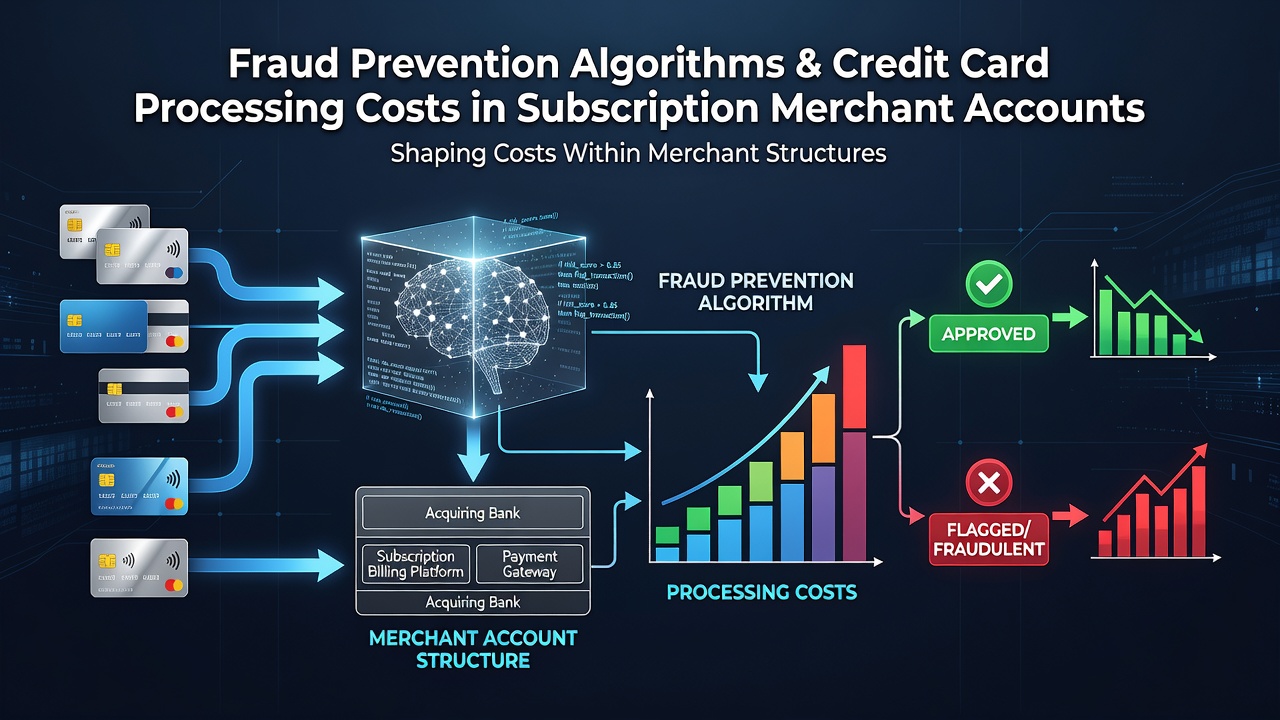
Subscription services rely on recurring billing structures that create distinct risk profiles compared to one-time purchases, and fraud prevention algorithms play a central role in managing those risks while directly affecting the fees merchants pay through their account providers. These systems evaluate transaction patterns in real time, flagging potential issues before authorization completes, yet each layer of scrutiny adds operational overhead that processors pass along in the form of higher discount rates or additional line-item charges.
Core Components of Merchant Account Structures for Recurring Billing
Merchant accounts designed for subscription models incorporate interchange fees, acquirer markups, and gateway charges that scale with volume and risk level, while algorithms designed to detect card-not-present fraud introduce variables that alter those baseline calculations. Data from payment networks shows that subscription merchants often face elevated reserve requirements when fraud rates exceed certain thresholds, and those reserves tie up capital that would otherwise support business operations.
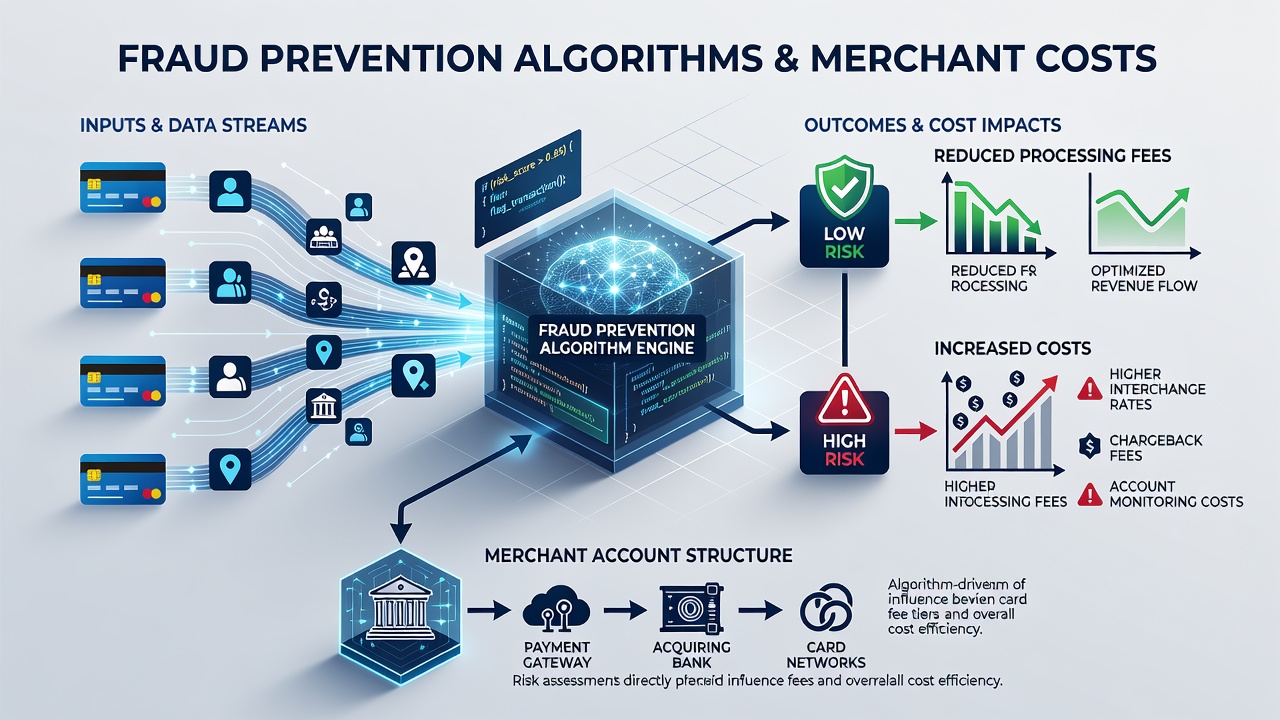
Algorithms assess signals such as velocity checks, device fingerprinting, and historical chargeback ratios to assign risk scores, and higher scores trigger manual reviews or declined transactions that reduce overall processing volume yet simultaneously increase the per-transaction cost for the transactions that do clear. Observers note that this dynamic creates a feedback loop where stricter controls raise effective fees, which in turn can prompt merchants to adjust pricing or absorb costs to maintain customer retention.
How Detection Systems Modify Processing Expenses
Research indicates that machine learning models trained on large datasets of fraudulent subscription attempts reduce chargeback incidence by significant margins, yet the computational resources required to run those models contribute to the technical fees processors assess. In October 2026, updated network rules from major card brands expanded requirements for 3D Secure authentication on recurring transactions above certain amounts, and compliance with those rules added another variable to cost structures for merchants operating across multiple jurisdictions.
Take one processor that implemented enhanced behavioral analytics for its subscription clients and discovered that false positive declines increased by 12 percent in the first quarter after deployment, leading to lost revenue that the provider offset through slight increases in monthly account maintenance fees. Those adjustments reflect the reality that every declined transaction still incurs a partial authorization cost, while successful transactions carry the cumulative expense of all screening layers applied upstream.
Regional Regulatory Influences on Algorithm Deployment
According to figures released by the Federal Reserve, fraud-related losses in card-not-present environments reached record levels in recent reporting periods, prompting acquirers to refine their algorithmic thresholds and pass resulting compliance costs downstream. Meanwhile, data compiled by the European Central Bank reveals that strong customer authentication mandates have produced measurable declines in unauthorized recurring transactions across the euro area, though merchants report corresponding rises in authentication-related drop-off rates that affect lifetime value calculations.
Canadian payment service providers have adopted similar model refinements, and industry reports show that subscription merchants using multi-factor risk engines experienced average processing cost increases of 0.15 to 0.35 percentage points compared with those relying on basic velocity rules alone. These incremental charges accumulate quickly for high-volume recurring operations where margins already operate under pressure from customer acquisition expenses.
Practical Effects on Subscription Business Models
Subscription platforms that integrate real-time scoring often negotiate tiered pricing agreements with their acquirers, where lower fraud ratios unlock reduced interchange-plus pricing, yet achieving those ratios requires ongoing investment in data infrastructure and model maintenance. One study from academic researchers at a major North American university found that businesses maintaining fraud rates below 0.5 percent secured average savings of 8 percent on blended processing fees compared with peers above that threshold, illustrating the direct financial incentive for sophisticated prevention systems.
Yet the same analysis highlighted that smaller merchants struggle to access the same level of algorithmic sophistication because custom model development demands transaction volumes that justify the development expense. This disparity leaves many subscription services reliant on off-the-shelf solutions that apply generalized risk rules, resulting in higher false-positive rates and correspondingly elevated effective costs.
Conclusion
Fraud prevention algorithms continue to reshape the economics of credit card processing for subscription services by linking risk management directly to fee structures, reserve policies, and approval rates. As regulatory frameworks evolve and data sets grow more comprehensive, the relationship between detection accuracy and processing expenses will likely remain a central factor in how merchants structure their recurring billing operations.